
Mani Vinson (all pronouns) is a digital content producer, narrative strategist, and organizer, passionate about transformative justice, Black and LGBTQ+ health, wellness, and JOY. With almost a decade of dynamic experience in health equity research and informatics, narrative strategy, and content production, Mani is dedicated to using storytelling as a catalyst for our collective liberation. Mani is currently the Communications Manager at Physicians for Reproductive Health, the Communications Director with the Transform Gender Collective, and the Design and Narrative Manager with New Disabled South. Mani is based in the DMV, is the oldest of 6 kids, and loves video games, funny movies, and their dog, Kane.
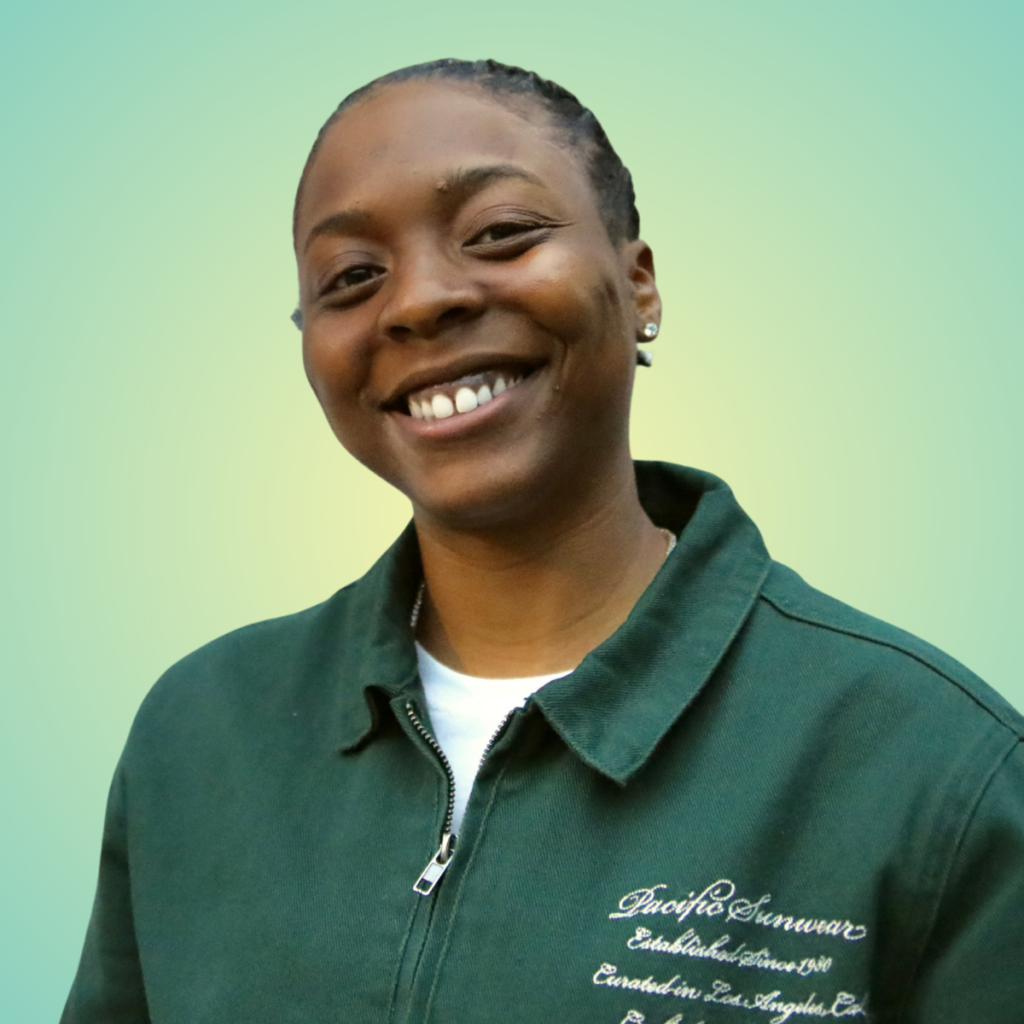
Let’s dive into Mani’s story:
Tell us about the work you do and why it matters.
I’m the Communications Director at Transform Gender Collective, a transformative justice, support, and accountability collective teaching transformative justice framework to masculine, transmasculine, and masculine-of-center Black and Indigenous People of Color. Our work at TGC centers on how we can address harm and violence in our communities without perpetuating it. And we empower our community through the transformative justice framework by advocating for divestment from a carceral system that has criminalized far too many people in our communities. I’m the Communications Manager with Physicians for Reproductive Health, a 501(c)(3) organization that trains doctors, abortion providers, and gender-affirming care providers on how to mobilize, strategize, and shift the stigma surrounding full-spectrum sexual and reproductive health care. I’m the Design and Narrative Manager with New Disabled South, an advocacy organization that supports Southerners with disabilities. The truth is, we do not treat people with disabilities with the dignity and humanity they deserve, and my job uses storytelling to bridge awareness and shift power. This work matters a lot to me because it’s intersectional; it holds space for people with different lived experiences, journeys, identities, and needs. I love that what I do challenges the status quo, as though I am part of something that has been here for a long time, as well as a movement that continues to grow.
What’s a win that lives with you?
I have two wins that I hold close to my heart. The first win in 2023 was on the Disability Reproductive Health Equity Day. I was one of the leading minds behind the recognition of this day, receiving endorsements from Ayanna Pressley’s office and many other disability justice and reproductive justice organizations and influencers. This happened early in my reproductive justice and disability justice advocacy work. And it was a surreal, powerful moment that finally gave the intersectionality of the disability justice and reproductive justice movements the light it deserves. My second win is a program we created at TGC called “Practical Alternatives to Calling the Police.” Because the policing system in America is so deeply interwoven into the way society exists, believing in abolition as a principle is not going to change anything; what we’ll need is tangible, accessible, community-backed alternatives. It was an incredible training that brought people from all over the community to discuss abolition, the eminence of knowing your neighbors, and leaning on one another for support and resources.
How did your re:power training reshape your leadership?
I have so many things to be grateful for re:power. I am an alum of several of their trainings, but my favorite is the Data x Power fellowship. Prior to the cohort, I had minimal knowledge of data, data visualization, and data management. But being wholeheartedly welcomed into the cohort, with so much support, dedication, and commitment, inspired me to lean into my brilliance. I learned to take more risks, fail, and try again anyway. And I leaned on my cohort even after the fellowship ended, sharing tips and tricks and just staying connected. I’ve accepted that I don’t have all the answers, but the commitment to finding them and the community of support definitely make me feel powerful and unstoppable. This experience feels like a gift that keeps on giving.
This line of work requires a lot of heart and hustle. How do you find joy and recharge?
I’m living life in the simple joys. I’m very silly. I tell a lot of jokes. I love to laugh at myself. I love learning and experiencing new things —exploring the DMV, checking out a museum, trying new foods, meeting new people, and deepening my understanding of different movements through time. What did art look like? What were people discussing or challenging? I love learning the history of those who came before me, and it recharges me to know the legacy of the people who laid the tracks, fighting for equity, justice, and liberation. I also have a dog, a six-year-old Maltese Yorkie mix named Kane. I’ve had him since he was eight weeks old, and he’s my best friend. I’ve experienced the highs and lows of my twenties with this little guy, and he fills me with so much joy. I just really appreciate getting to spend time with him and basking in his unconditional love and that of my village.
