• Skip to primary navigation
  • Skip to main content
  • Skip to footer
  • Skip to topheader navigation
  • Shop
  • Donate
re:power

re:power

Reclaiming Our Power for Radical Change

  • Learn
  • Support
  • Partner
  • About
    • About Us
    • Theory of Change
    • People
    • Support Us
    • Reports & Financials
    • Careers
  • Classroom
    • Overview
    • Trainings & Events
    • Partnerships
    • Collaborative Governance Academy
    • Camp re:power
    • Data x Power
    • State Courts on the Power Map
    • Training Policies
    • Resources
  • Newsroom
  • Contact Us
  • Legal
    • Privacy Policy & Disclaimer
    • State Nonprofit Disclosures
    • Donor Privacy Policy
    • Donation FAQ
    • Site Credits
Home > Archives for spotlight

spotlight

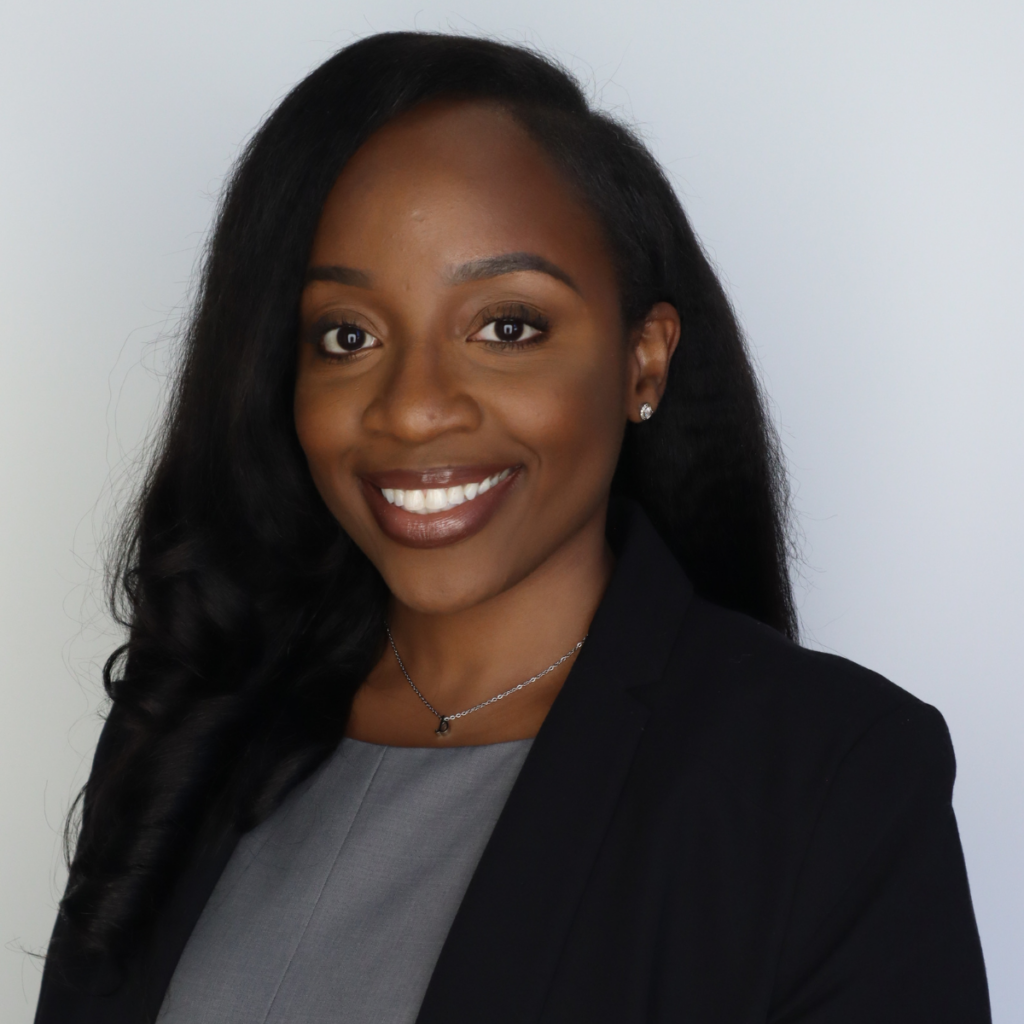
Beatrice Beaubrun

April 23, 2026

Beatrice Beaubrun (she/her) is the Deputy Director at North Carolina For The People and has over a decade of experience in political organizing, nonprofit management, and communications. As the Deputy Director, she leverages her expertise to build coalitions, drive civic engagement, and advance digital security in the fight for equitable policies. A Jersey native and proud Haitian-American, Beatrice’s journey in advocacy began with her work on the 2008 election doing GOTV alongside her mom knocking on doors in the streets of Philly. Her passion for elevating marginalized voices led her to pursue a B.A. in Political Science from North Carolina Central University and an M.A. in Communications from Queens University of Charlotte. Through her diverse roles, Beatrice remains committed to amplifying underrepresented voices and expanding opportunities for growth and change in the communities she serves.

Let’s dive into her story:

Tell us about the work you do and why it matters. 

I serve as Deputy Director at North Carolina For The People and its 501(c)(4) arm, where I lead organizing and communications strategy for a statewide pro-democracy coalition. My work focuses on voter engagement, base building, and leadership development in Black, Latine, and Indigenous communities across North Carolina. I also coordinate our Democracy Advocates Communications Cohort, a working group of movement communicators from across the state. Together, we build shared narrative strategy, run rapid response campaigns, and strengthen the communications infrastructure our movements and communities need. And it matters for a multitude of reasons, the main one being that this work can not move unless we move together. Unless we create the momentum, the passion, and the collective spirit to cement the infrastructure and capacity to build real people power.

What’s a win that lives with you?

The win that lives with me is when challenger Jefferson Griffin conceded the North Carolina State Supreme Court seat to Allison Riggs. He disputed the votes of thousands of North Carolina voters, ignoring their democratic will and right to choose. His efforts set a dangerous precedent: if the will of the people can be ignored, then those in power can simply rewrite those rules as they see fit. Groups and coalitions across the state rallied, raising visibility and awareness on his campaign’s attempt to disenfranchise voters. I’m proud because North Carolinians showed the nation that we will not buckle down to politicians who would rather change the rules than concede defeat.

How does your re:power training show up in your work today?

My answer is simple: community. I’m still in touch with my State Courts on the Power Map cohort, specifically a peer who works in judicial integrity. So much of our work mirrors one another, and there’s a level of ease, confidence, and skills that grows when you’re in a trusted space. Being part of this community is like having a battery pack on my back; it charges me in ways I didn’t know I needed. I use the course lessons, the spreadsheets, the power mapping, strategies – it’s embedded in the work I do on a daily basis.

This line of work requires a lot of heart and hustle. How do you find joy and recharge? 

I recharge by doing things that bring me back to joy and community. That can look like spending time with friends, exploring good food spots, or getting outside for a spin class or Pilates session. I’m also a creative at heart, so designing, working on apparel projects, or building something new always resets my brain. A good laugh, good music, and good people go a long way.

Filed Under: Alumni, Stories & Profiles Tagged With: spotlight

Sof Petros

April 23, 2026

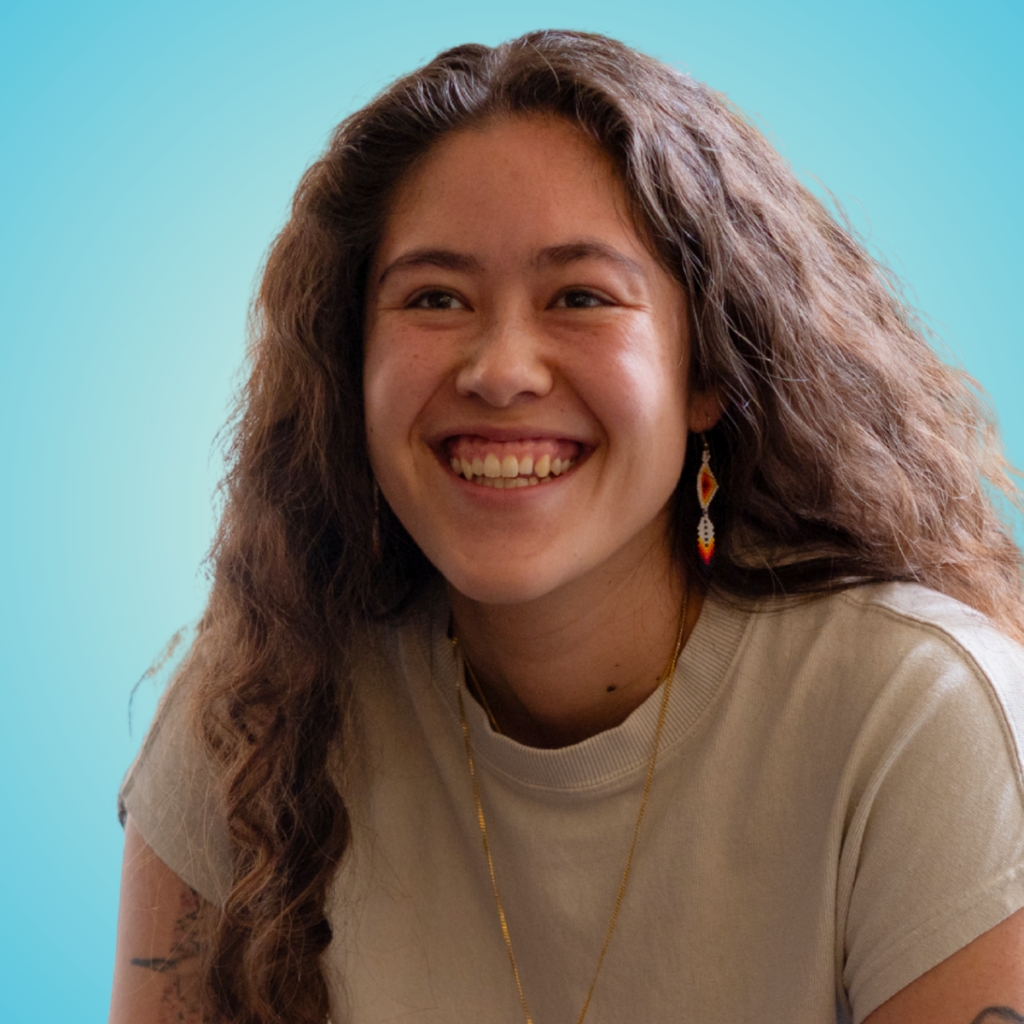
Hailing from the Northeast, Sof (she/they) has called Washington home for the last five years. They are an experienced and capable environmental educator and organizer, with a background in fossil fuel divestment campaigns and passion for building community and youth power towards liberation and a world beyond extraction. Sof is an organizing coach at Youth Climate Finance Alliance working with young people on developing anti-imperialist climate campaigning and key political education and organizing fundamental skills. Sof trains in public narrative organizing with re:power both nationally and in Washington state, where she also supports the base building efforts and volunteer leadership team at 350 Seattle. They are a member of the Seattle Democratic Socialists of America (DSA). When they’re not geeking out about movement history and strategy, they work as a ski instructor and rock climbing guide! They are excited to bring a background in technical outdoor guiding and expedition work to movement spaces building and imagining expansive new futures. They also love a good hot sauce, dog-watching in the park, crafting, quality puns, and reading their kindle on transit.

Sof (she/they)is an experienced and capable environmental educator and organizer with a background in fossil fuel divestment campaigns and passion for building community and youth power.

Let’s dive into her story:

Tell us about the work you do and why it matters. 

I hold multiple hats. I support base-building for young people engaged in intergenerational climate organizing nationally through my role at Youth Climate Finance Alliance. I support the build-out of their Ignition Front chapter programming, offering coaching, training, and operations support, and working with college-aged young people and multiracial youth to build anti-imperialist climate campaigns in their communities. I also support the volunteer leadership team at 350 Seattle, a Seattle-based climate org fighting to advance local climate solutions, a just transition, and a livable future in Washington State. Finally, I am a re:power trainer for our Grassroots Organizing track, offering coaching and training on grassroots organizing fundamentals. This work matters because no matter where your focus lies: immigration justice, climate justice, housing, youth development, mastering the fundamentals encourages people to transform their passion into sustained action which is the heartbeat of power-building.

What’s a win that lives with you?

Recently, I was inspired by young organizers in Corpus Christi, who led a massive campaign against a desalination plant and won. And this win was in large part because of how they framed their campaign, emphasizing that this is a manufactured water crisis caused by industry, compromising residents’ access to clean water. This strategy built significant pressure through multiple channels, including public testimony, media outlets, and local officials. And they used this as an opportunity to base build beyond the win, with Corpus Christi DSA now holding the fastest-growing membership of any DSA chapter nationally. This win lives with me because, in many climate victories, we see them ultimately get rolled back and the grassroots coalitions dissolve. What organizers in Corpus Christi modeled for us was the importance of keeping people accountable to those wins and engaging with the community to build durable people power ready for the next fight ahead.

How did your re:power training reshape your leadership?

This is such a fun question for me now that I train for re:power, but I see my experience at YCFA as a testament to the re:power framework. At my previous organization, we hired re:power to lead a training program for the young people in our network. Witnessing how re:power staff engaged with the curriculum, the high level of expertise trainers operated at, and how it was integrated long after the training ended, I knew this was unlike any other training. And when we launched YCFA, we used a lot of that initial support – shared language and training materials especially – to establish ourselves, securing fiscal sponsorship, rebuilding our programs, and setting up our base-building program. I credit re:power for giving me concrete organizing skills and tools; above all, the real gift was the deep relational bonds forged through the training, which carried over into our next adventure.

This line of work requires a lot of heart and hustle. How do you find joy and recharge? 

For me, embodied movement is a big part. Getting off the screen to process when big things are happening in my work and in the world. I find a lot of joy in dance and being in nature. Lately, I’ve done everything from partner classes to ecstatic dance. Currently, I’m in an adult beginner ballet class, which has been really fun and quite hard. I find so much power and joy in snapping back into my body, pushing my limits, and seeing what my body can accomplish, whether it is ballet, skiing, or climbing. Endorphins help too!

Filed Under: Alumni, Stories & Profiles Tagged With: spotlight

Mani Vinson

April 23, 2026

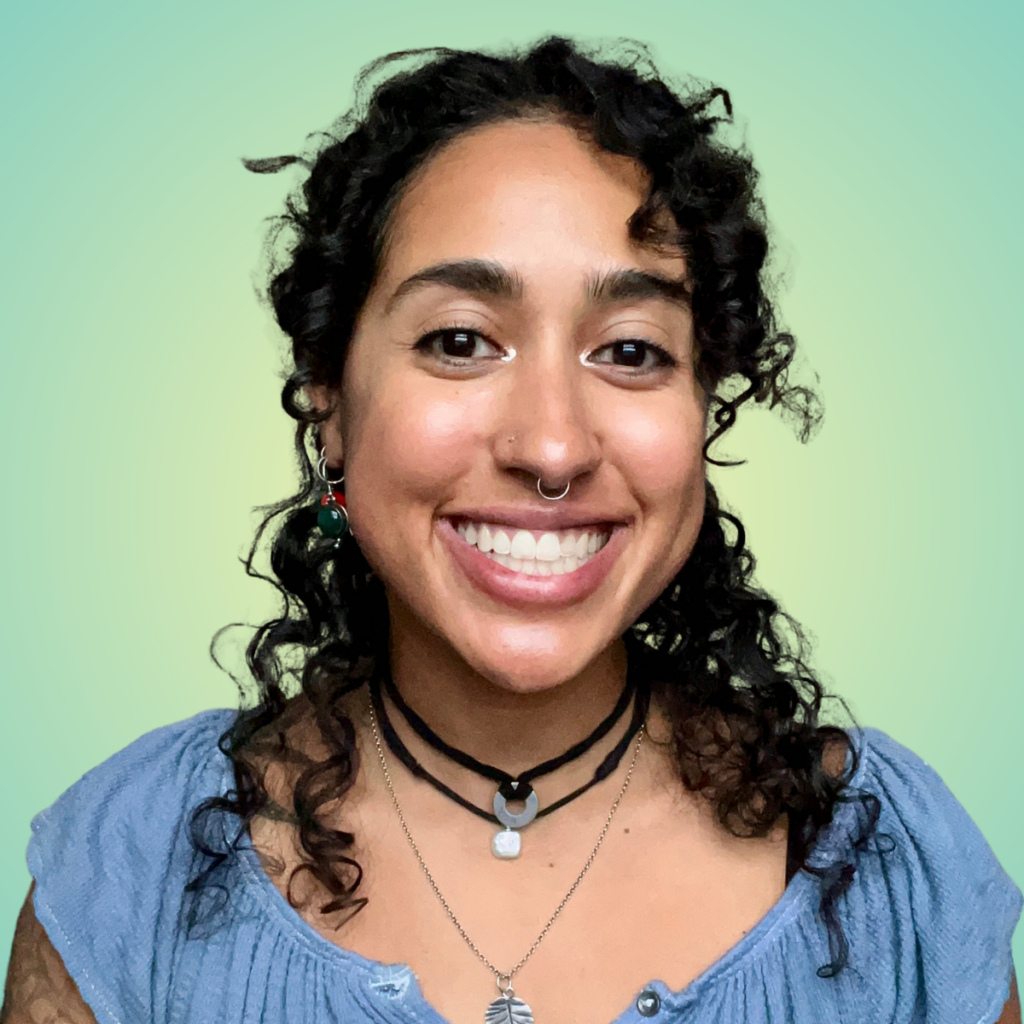
Mani Vinson (all pronouns) is a digital content producer, narrative strategist, and organizer, passionate about transformative justice, Black and LGBTQ+ health, wellness, and JOY. With almost a decade of dynamic experience in health equity research and informatics, narrative strategy, and content production, Mani is dedicated to using storytelling as a catalyst for our collective liberation. Mani is currently the Communications Manager at Physicians for Reproductive Health, the Communications Director with the Transform Gender Collective, and the Design and Narrative Manager with New Disabled South. Mani is based in the DMV, is the oldest of 6 kids, and loves video games, funny movies, and their dog, Kane.

Mani (all pronouns) is currently the Communications Manager at Physicians for Reproductive Health, the Communications Director with the Transform Gender Collective, and the Design and Narrative Manager with New Disabled South

Let’s dive into Mani’s story:

Tell us about the work you do and why it matters. 

I’m the Communications Director at Transform Gender Collective, a transformative justice, support, and accountability collective teaching transformative justice framework to masculine, transmasculine, and masculine-of-center Black and Indigenous People of Color. Our work at TGC centers on how we can address harm and violence in our communities without perpetuating it. And we empower our community through the transformative justice framework by advocating for divestment from a carceral system that has criminalized far too many people in our communities. I’m the Communications Manager with Physicians for Reproductive Health, a 501(c)(3) organization that trains doctors, abortion providers, and gender-affirming care providers on how to mobilize, strategize, and shift the stigma surrounding full-spectrum sexual and reproductive health care. I’m the Design and Narrative Manager with New Disabled South, an advocacy organization that supports Southerners with disabilities. The truth is, we do not treat people with disabilities with the dignity and humanity they deserve, and my job uses storytelling to bridge awareness and shift power. This work matters a lot to me because it’s intersectional; it holds space for people with different lived experiences, journeys, identities, and needs. I love that what I do challenges the status quo, as though I am part of something that has been here for a long time, as well as a movement that continues to grow.

What’s a win that lives with you?

I have two wins that I hold close to my heart. The first win in 2023 was on the Disability Reproductive Health Equity Day. I was one of the leading minds behind the recognition of this day, receiving endorsements from Ayanna Pressley’s office and many other disability justice and reproductive justice organizations and influencers. This happened early in my reproductive justice and disability justice advocacy work. And it was a surreal, powerful moment that finally gave the intersectionality of the disability justice and reproductive justice movements the light it deserves. My second win is a program we created at TGC called “Practical Alternatives to Calling the Police.” Because the policing  system in America is so deeply interwoven into the way society exists, believing in abolition as a principle is not going to change anything; what we’ll need is tangible, accessible, community-backed alternatives. It was an incredible training that brought people from all over the community to discuss abolition, the eminence of knowing your neighbors, and leaning on one another for support and resources.

How did your re:power training reshape your leadership?

I have so many things to be grateful for re:power. I am an alum of several of their trainings, but my favorite is the Data x Power fellowship. Prior to the cohort, I had minimal knowledge of data, data visualization, and data management. But being wholeheartedly welcomed into the cohort, with so much support, dedication, and commitment, inspired me to lean into my brilliance. I learned to take more risks, fail, and try again anyway. And I leaned on my cohort even after the fellowship ended, sharing tips and tricks and just staying connected. I’ve accepted that I don’t have all the answers, but the commitment to finding them and the community of support definitely make me feel powerful and unstoppable. This experience feels like a gift that keeps on giving.

This line of work requires a lot of heart and hustle. How do you find joy and recharge? 

I’m living life in the simple joys. I’m very silly. I tell a lot of jokes. I love to laugh at myself. I love learning and experiencing new things —exploring the DMV, checking out a museum, trying new foods, meeting new people, and deepening my understanding of different movements through time.  What did art look like? What were people discussing or challenging? I love learning the history of those who came before me, and it recharges me to know the legacy of the people who laid the tracks, fighting for equity, justice, and liberation. I also have a dog, a six-year-old Maltese Yorkie mix named Kane.  I’ve had him since he was eight weeks old, and he’s my best friend. I’ve experienced the highs and lows of my twenties with this little guy, and he fills me with so much joy. I just really appreciate getting to spend time with him and basking in his unconditional love and that of my village.

Filed Under: Alumni, Stories & Profiles Tagged With: spotlight

 Delishia Porterfield

April 23, 2026

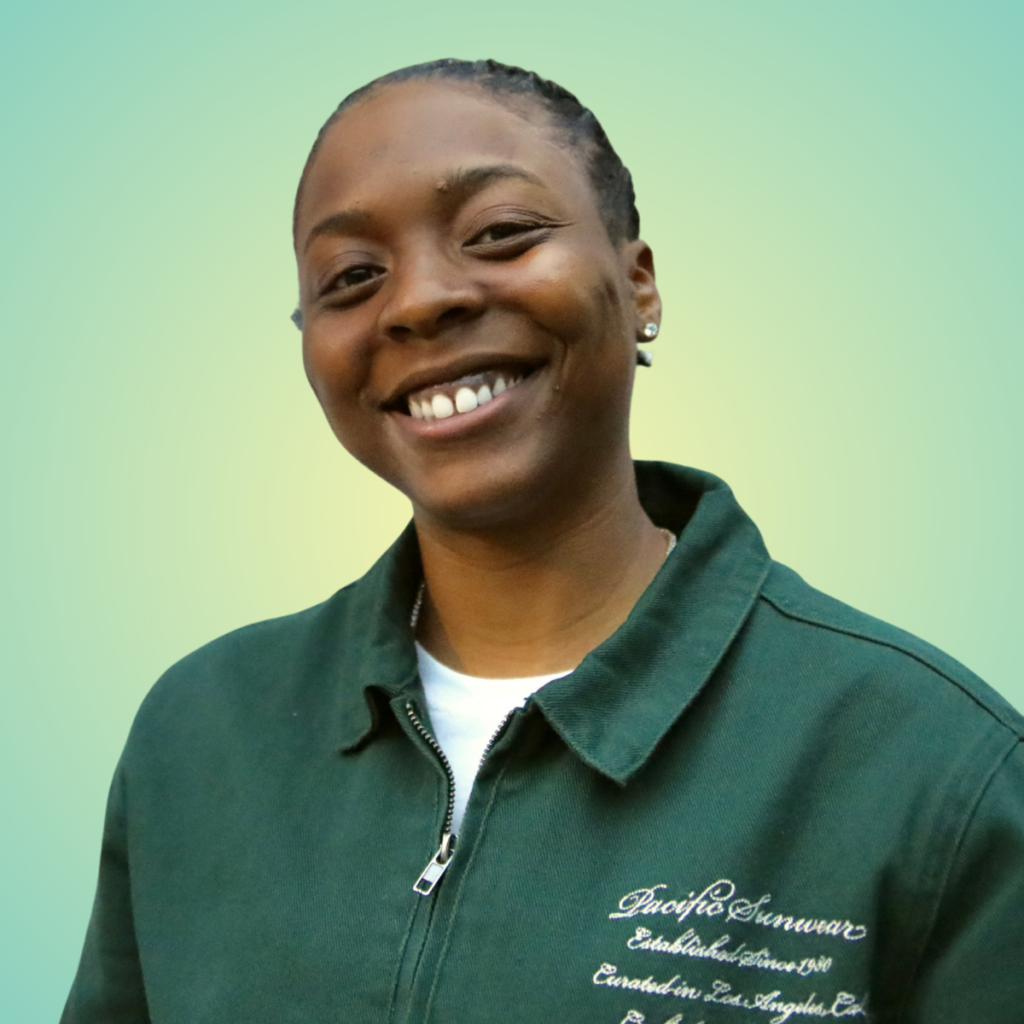
Delishia Porterfield (she/her) is a dedicated mother, educator, social justice advocate, and experienced legislator from Tennessee, originally from Memphis and now based in Nashville. After studying at Howard University and Tennessee State University, she spent nearly a decade in public education, serving students with disabilities. In 2019, she was elected District 29 Councilwoman for Metropolitan Nashville and Davidson County, winning her race by just 25 votes. She currently serves as a Councilmember At Large and President Pro Tem, and previously chaired the Budget and Finance Committee for two terms, overseeing Nashville’s $3.8B budget. Delishia is also a lead trainer with the Collaborative Governance Academy and serves as Co-Chair of the Black Caucus for Local Progress. A proud mother, she enjoys traveling with her daughter when she is home from college and spending time with their rescue pet, Violet.

Delishia Porterfield (she/her) is a dedicated mother, educator, social justice advocate, and experienced legislator from Tennessee, originally from Memphis and now based in Nashville

Let’s dive into her story:

Tell us about the work you do and why it matters. 

I am a Councilmember At Large for Nashville and Davidson County, representing over 700,000 Nashvillians. I serve as the immediate past chair of the budget and finance committee. I serve on the budget committee, the public health and safety  committee, the audit committee, the ethics board, the Unified Housing Leadership Committee and I’m also on a special commission around city preparedness for extreme weather. I am honored to be a  lead trainer for the Collaborative Governance Academy (CGA), in partnership with re:power fund and Local Progress, training local and state elected officials, their staff, and movement leaders with the skills, strategy, and shared language to govern in a new kind of way. This work matters because we need more elected officials aligned with everyday working-class people, not with the predatory billionaire class or big business. We need values-aligned leaders who are fighting for affordable housing, renewable energy solutions, and public education that improve public  quality of life.  It is more important than ever that we elect officials who are accountable to the people, committed to co-creating solutions that both serve and protect their constituents, and dedicated to democratizing knowledge while building lasting power within their communities.

What’s a win that lives with you?

A recent major win was sponsoring and passing a city council resolution opposing The Boring Company’s plans to build an underground tunnel system in Nashville. The company selectively engaged business-friendly state legislators while bypassing local municipalities, deliberately ignoring the elected officials who represent the very communities they aim to build through. This fight also raised serious environmental concerns, from potential land disruption to long-term impacts on local infrastructure. It was a hard-fought victory, as powerful lobbyists worked aggressively to defeat the resolution. But public land must serve the public good. As an elected official, it is my responsibility to go on record and stand firm against big business steamrolling ahead with state handouts and no accountability. While the resolution is non-binding, it marks a powerful step forward—sending a clear message that our city will not be bought or influenced by corporate dollars, and that our residents deserve real transparency and meaningful, community-centered transit solutions.

How did your re:power training reshape your leadership?

I’ve learned in my leadership that different people show up to this work in different ways, but we’re all needed to move it forward. Instead of infighting, we work better when we can appreciate the fundamentals of co-governance and power-building, and what it means to empower your community. In my eyes, co-governance means intentionally sharing power and working hand in hand with marginalized communities so members can participate in shaping policy.

This line of work requires a lot of heart and hustle. How do you find joy and recharge? 

I’ve learned in my leadership that different people show up to this work in different ways, but we’re all needed to move it forward. Instead of infighting, we work better when we can appreciate the fundamentals of co-governance and power-building, and what it means to empower your community. In my eyes, co-governance means intentionally sharing power and working hand in hand with marginalized communities so members can participate in shaping policy.

Filed Under: Alumni, Stories & Profiles Tagged With: spotlight

Gabriel Cabán Cubero

April 23, 2026

Gabriel (they/them) is a queer Latinx southerner born in Puerto Rico, raised in North Carolina, living in Alabama. Their passions are infrastructure development, data literacy in the Deep South, and community organizing and they are motivated by experimentation and power building. They serve as Executive Director at People’s Budget Birmingham, an effort aiming to make participatory budgeting a cornerstone of municipal governance. They also serve as Data Director at Alabama Forward helping construct the data and tech infrastructure for the progressive movement in Alabama.

Gabriel (they/them) is queer Latinx southerner born in Puerto Rico, raised in North Carolina, living in Alabama. They serve as the Executive Director at People’s Budget Birmingham and Data Director at Alabama Forward.

Let’s dive into their story:

Tell us about the work you do and why it matters. 

I’m the Executive Director at People’s Budget Birmingham, helping to raise awareness and build community advocacy around the Birmingham City budget: how it’s created, who the decision-makers are, and how to track the flow of allocated funds. The goal is to enact participatory budgeting, which returns decision-making power around budgets back into the hands of everyday working people. I am the Data Director at Alabama Forward, the state’s civic engagement table. Our primary objective is to help our member organizations work on and implement rigorous, impactful issue-based GOTV and related programs. My job on the data front supports our members in finding the best data, ensuring they have the capacity and infrastructure, and helping them implement tech tools to scale their work more effectively. And this work matters because most people often overlook the state of Alabama, but resilient organizing is happening all across the state, and I see it in my work day in and day out.

What’s a win that lives with you?

Two wins that come to mind are electoral: Doug Jones special election in Alabama, and Raphael Warnock’s runoff election in Georgia. For Doug Jones, his election was the first time in a quarter-century that a Democratic Senator from Alabama was elected to office. I witnessed a general buzz and infusion of hope around his campaign and what this win meant for Alabamians seeking real change. In 2021, the Warnock campaign pulled off a major defeat, sending the first Black man from the South to the Senate. Working closely with his campaign in Georgia, there was a rush of excitement and possibility around his victory, and a beautiful reminder of what can happen when ordinary people band together and believe a better future is possible. Both elections stirred in me a sense of hope, possibility, and momentum that was infectious and energizing.

How did your re:power training reshape your leadership?

I was part of the Data x Power fellowship, and it was a life-changing experience. Before the cohort, I questioned my technical skills, but the fellowship showed me the hardest part isn’t the learning, it’s the mindset. This experience boosted my confidence and my capacity by showing me I could learn new technology skills and apply them in my work, whether in software development or databases; it no longer felt impossible. Now, I build things for work and on the side. And I don’t care if there’s no solution on the market, I’ll just build it anyway. The other aspect I learned is that I don’t have to be perfect to grow; I just have to try. That lesson lives with me as I prepare for my grad school applications.

This line of work requires a lot of heart and hustle. How do you find joy and recharge? 

I love reading a lot and spending time with my friends. I also love playing video games because they are a fun distraction, and there is nothing better than coming home after a stressful day at work to play my favorite video games. I’m a horror fan too; I love the gore and the thrill. Lately, what’s been bringing me joy has been cooking for my friends, my husband, and myself. Beyond nourishment, food can be a source of connection and community, and it’s how I care for myself and my people.

Filed Under: Alumni, Stories & Profiles Tagged With: spotlight

Claudia Pérez

April 16, 2026

Claudia Pérez (she/hers) is the Director of Public Affairs at Planned Parenthood of the Rocky Mountains, where she leads political advocacy and organizing efforts across Colorado, New Mexico, and Wyoming. Claudia’s career has centered on community organizing focused on expanding access to stigmatized forms of health care, including mental health services and sexual and reproductive health care. She holds a B.A. in Communication Studies from Colorado State University. Her background spans community organizing, public health, immigrant rights, program management, and childcare. Claudia lives in North-West Aurora with her husband and enjoys listening to podcasts, crafting, and hosting game nights.

Let’s dive into her story:

Tell us about the work you do and why it matters. 

I’m the Director of Public Affairs at Planned Parenthood of the Rocky Mountains, covering Colorado, New Mexico, and Wyoming. I oversee our organizing and advocacy efforts, both in the c3 and c4 capacity, working with a team of organizers and managers who are boots on the ground, building people power in their communities. And our work is on demystifying civic engagement processes, primarily to protect and expand reproductive freedom and bodily autonomy across the region. Over the past couple years, I’m sure we’ve all seen the onslaught of attacks against reproductive health care, abortion, gender affirming care, trans rights and overall bodily autonomy, and so making sure that we are protecting our most basic freedoms of deciding what happens to our bodies and safeguarding that private decision between an individual and their health care provider make is how we are able to maintain freedoms in any other space. Because if you don’t have the freedom to decide what happens to your body, then you don’t have a lot of freedoms at all.

What’s a win that lives with you?

Project 2025 has a lot of horrible and devious plans, and one of those plans is to chip away at accessibility for reproductive health care. When HR1 was introduced, it included a provision that defunded Planned Parenthood health centers from the federal Medicaid program. And the impact was instantaneous – health centers and healthcare providers working at Planned Parenthood across the nation started calling patients who had Medicaid and canceling their appointments that same day. This included all types of care: sexual checkups, annual wellness exams, breast cancer screening, cervical cancer screenings, STI treatments, and more. Our teams in New Mexico & Colorado jumped straight into action and became two of the first three states in the country to restore state Medicaid funding to Planned Parenthood. In Colorado, we recruited 150 volunteers to the state capitol, who stood outside committee halls, talked to legislators, wrote letters, made phone calls, and sent emails. It was one of the largest mobilization efforts to date. Colorado was the first state in the entire country to restore funding using legislative action. This win lives with me because in the midst of a state budget crisis in Colorado, the state legislature voted to restore critical funding to keep Planned Parenthood doors open. With so much on the line, my team and I accomplished a lot, doing so quickly amid a very chaotic time for patients and providers.

How does your re:power training show up in your work today?

One key takeaway from my WoC leadership training is that being constantly tired and depleted is not how you will show up as your best self. The importance of grounding yourself, being tender, taking off the armor and crying, letting other people hold you, and finding soft spaces to fall into; those resilience skills are what I take with me every single day.

This line of work requires a lot of heart and hustle. How do you find joy and recharge? 

I am pretty disciplined about getting myself out and into a community space, going to a local social hour, a pop-up, a small-business grand opening, or a fundraiser. I love bringing a friend and telling others to join, which has brought me a lot of joy. I have also found a lot of rest and pleasure in building a sacred place for myself in my home, where I enjoy the company of my plants and scour Facebook Marketplace for cool finds.

Filed Under: Alumni, Stories & Profiles Tagged With: spotlight

  • Page 1
  • Page 2
  • Go to Next Page »

Footer

Invest in re:power.

Powerful movements need powerful leaders and powerful resources. Invest in our work today.

Looking to update your info?

Update donor info

Amount

  • About
    • About Us
    • Theory of Change
    • People
    • Support Us
    • Reports & Financials
    • Careers
  • Classroom
    • Overview
    • Trainings & Events
    • Partnerships
    • Collaborative Governance Academy
    • Camp re:power
    • Data x Power
    • State Courts on the Power Map
    • Training Policies
    • Resources
  • Newsroom
  • Contact Us
  • Legal
    • Privacy Policy & Disclaimer
    • State Nonprofit Disclosures
    • Donor Privacy Policy
    • Donation FAQ
    • Site Credits

Follow us

  • Shop
  • Donate

Newsletter Sign up

© 2026 Re:power

We use cookies on our website to give you the most relevant experience by remembering your preferences and repeat visits. By clicking “Accept”, you consent to the use of ALL the cookies.
Do not sell my personal information.
Cookie SettingsAccept
Manage consent

Privacy Overview

This website uses cookies to improve your experience while you navigate through the website. Out of these, the cookies that are categorized as necessary are stored on your browser as they are essential for the working of basic functionalities of the website. We also use third-party cookies that help us analyze and understand how you use this website. These cookies will be stored in your browser only with your consent. You also have the option to opt-out of these cookies. But opting out of some of these cookies may affect your browsing experience.
Necessary
Always Enabled
Necessary cookies are absolutely essential for the website to function properly. These cookies ensure basic functionalities and security features of the website, anonymously.
CookieDurationDescription
cookielawinfo-checkbox-analytics11 monthsThis cookie is set by GDPR Cookie Consent plugin. The cookie is used to store the user consent for the cookies in the category "Analytics".
cookielawinfo-checkbox-functional11 monthsThe cookie is set by GDPR cookie consent to record the user consent for the cookies in the category "Functional".
cookielawinfo-checkbox-necessary11 monthsThis cookie is set by GDPR Cookie Consent plugin. The cookies is used to store the user consent for the cookies in the category "Necessary".
cookielawinfo-checkbox-others11 monthsThis cookie is set by GDPR Cookie Consent plugin. The cookie is used to store the user consent for the cookies in the category "Other.
cookielawinfo-checkbox-performance11 monthsThis cookie is set by GDPR Cookie Consent plugin. The cookie is used to store the user consent for the cookies in the category "Performance".
viewed_cookie_policy11 monthsThe cookie is set by the GDPR Cookie Consent plugin and is used to store whether or not user has consented to the use of cookies. It does not store any personal data.
Functional
Functional cookies help to perform certain functionalities like sharing the content of the website on social media platforms, collect feedbacks, and other third-party features.
Performance
Performance cookies are used to understand and analyze the key performance indexes of the website which helps in delivering a better user experience for the visitors.
Analytics
Analytical cookies are used to understand how visitors interact with the website. These cookies help provide information on metrics the number of visitors, bounce rate, traffic source, etc.
Advertisement
Advertisement cookies are used to provide visitors with relevant ads and marketing campaigns. These cookies track visitors across websites and collect information to provide customized ads.
Others
Other uncategorized cookies are those that are being analyzed and have not been classified into a category as yet.
SAVE & ACCEPT